


Completing the Analyses in our both Countries
After hauling back kilos of mud, rocks, and sediment from the field in Sikkim and Kashmir, the next adventure began — in the lab. Our teams at CEREGE (France) and IIT Kanpur (India) have been deep in analysis mode throughout 2024 and 2025, and yes, we’re still at it…
Stay tuned… Science (and centrifuges) are still spinning!

First joint fieldwork in June-July 2024, a major milestone of the cooperation
A team of six Indian and French researchers met on Sikkim region in order to study one of the high-altitude inherited glacier-valley at the footsteps of the Khangchendzonga.
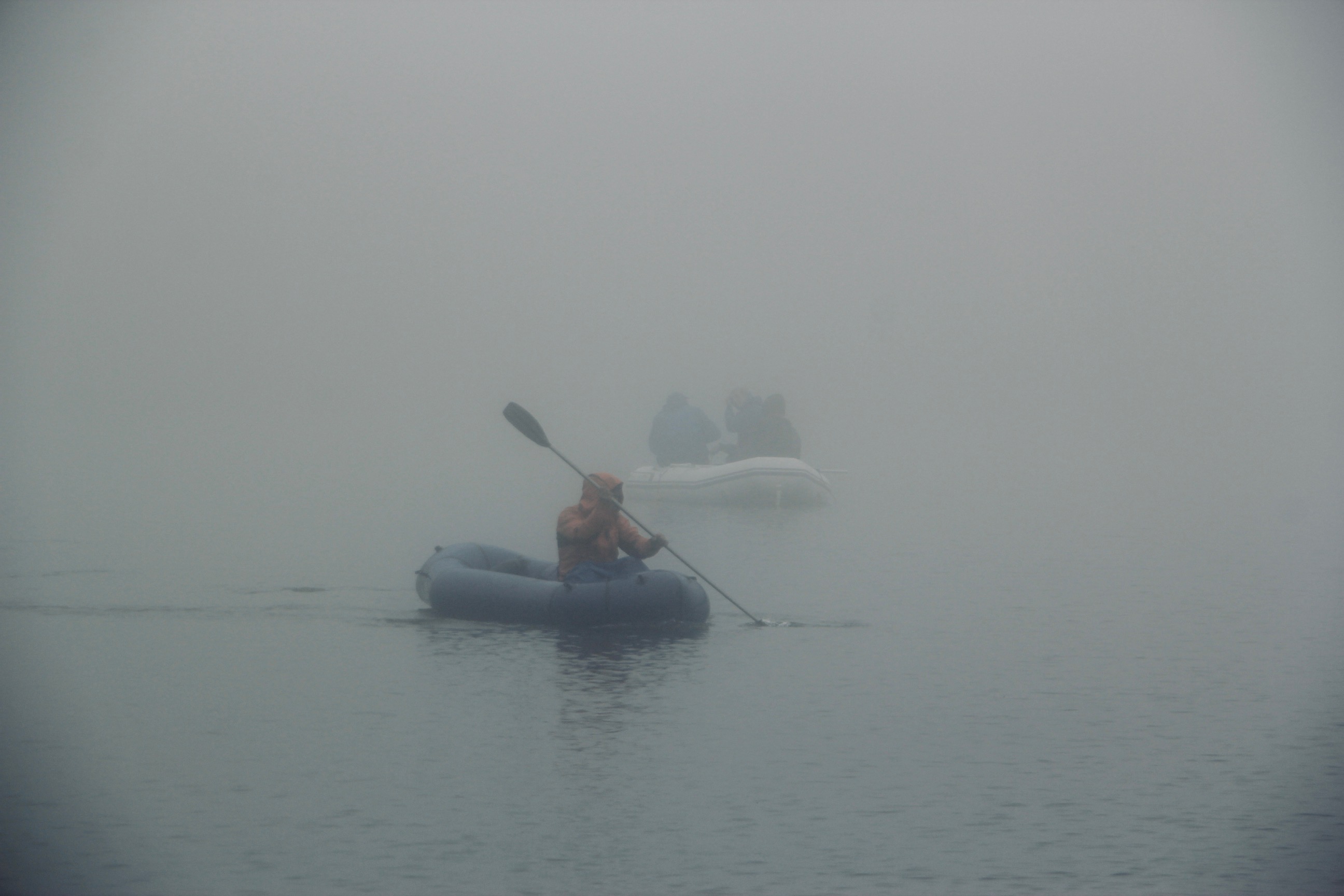
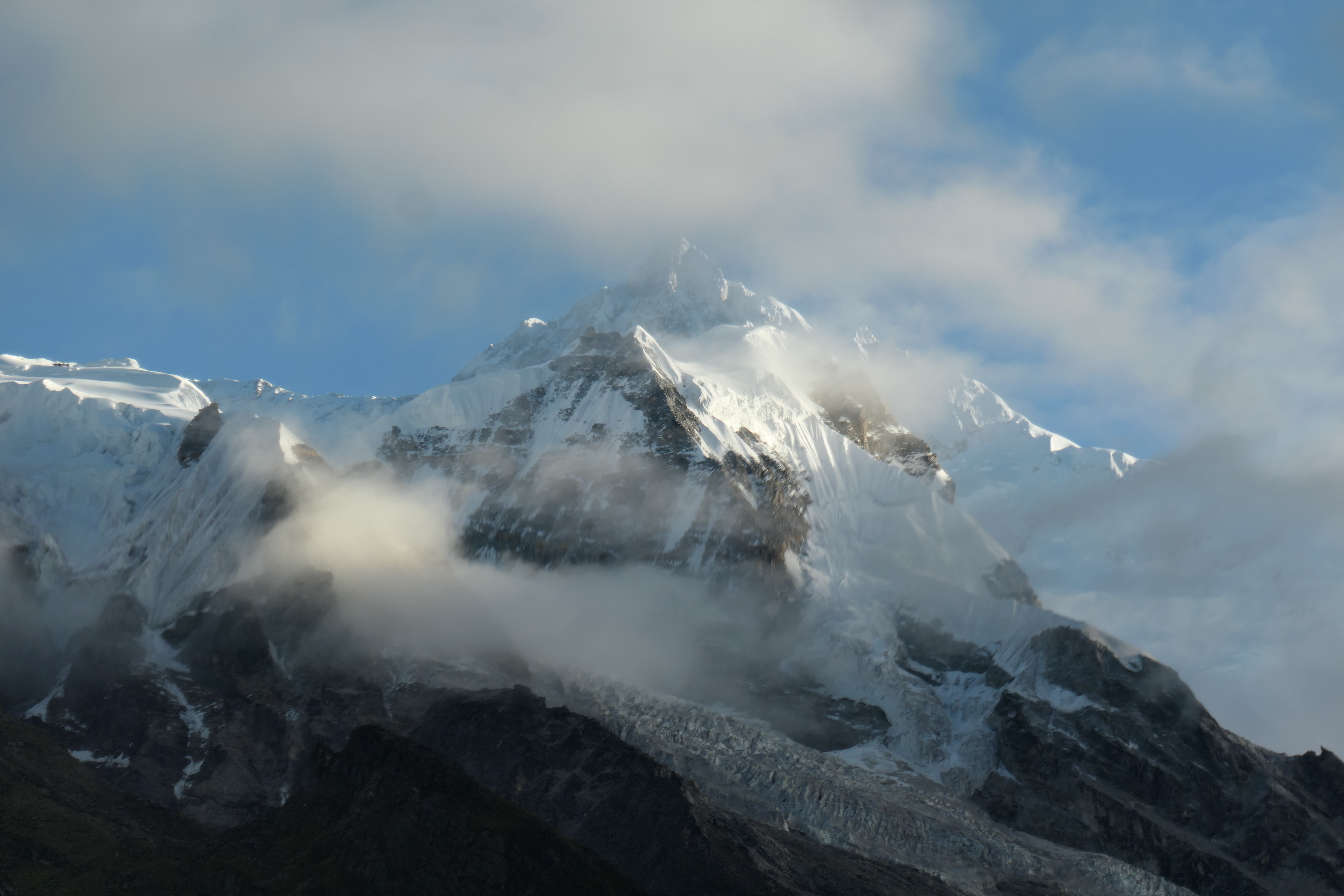
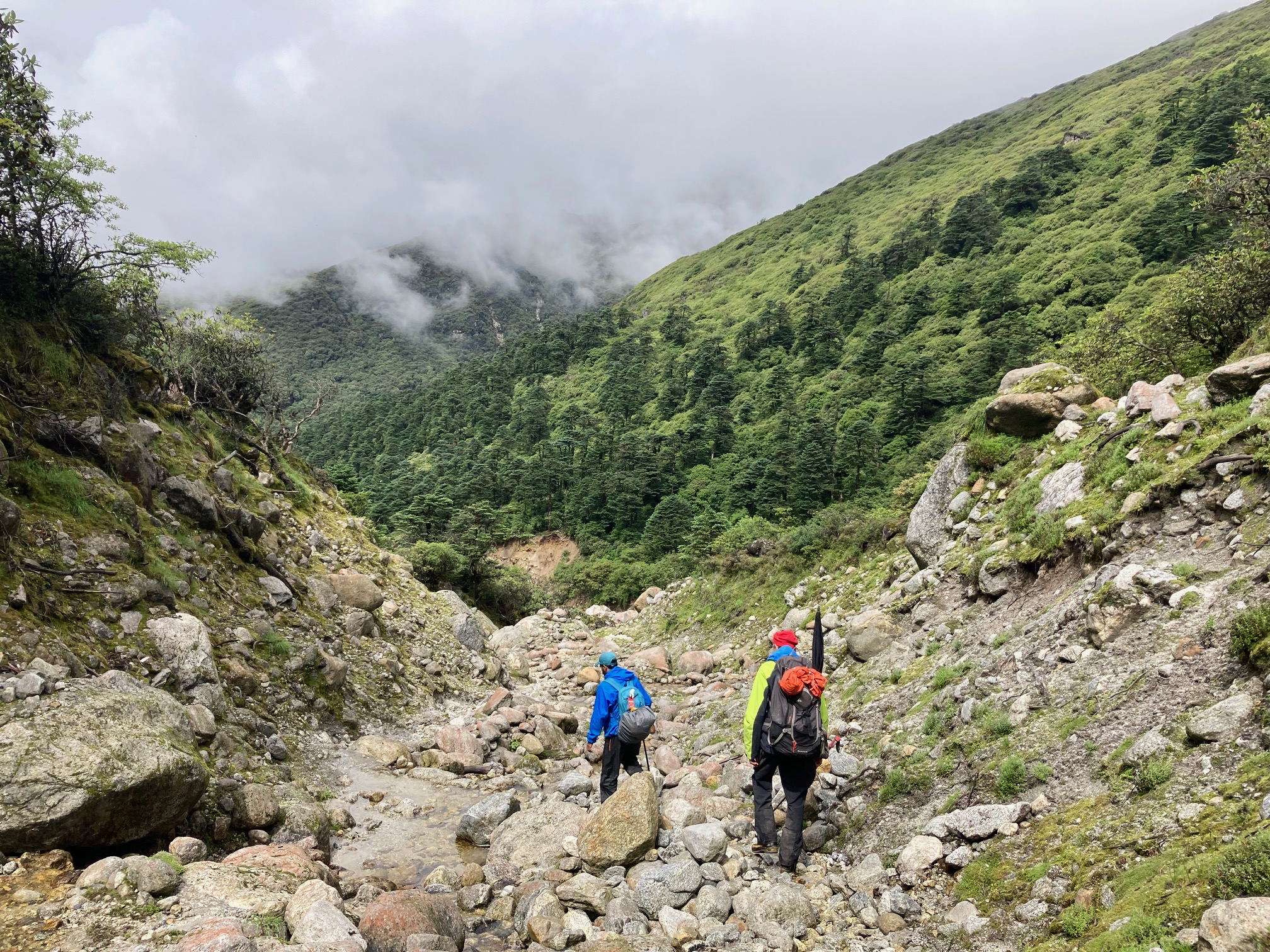
We collected more than 10 meters of lake and peat sediments, as well as 40 kg of moraine rocks. Those samples are exceptionnal witnesses of past landscape dynamics. We will soon analyse them in our laboratories, both in India and France.


AN IMMERSIVE EXPERIENCE OF SHARING FIELD SAMPLING METHODS
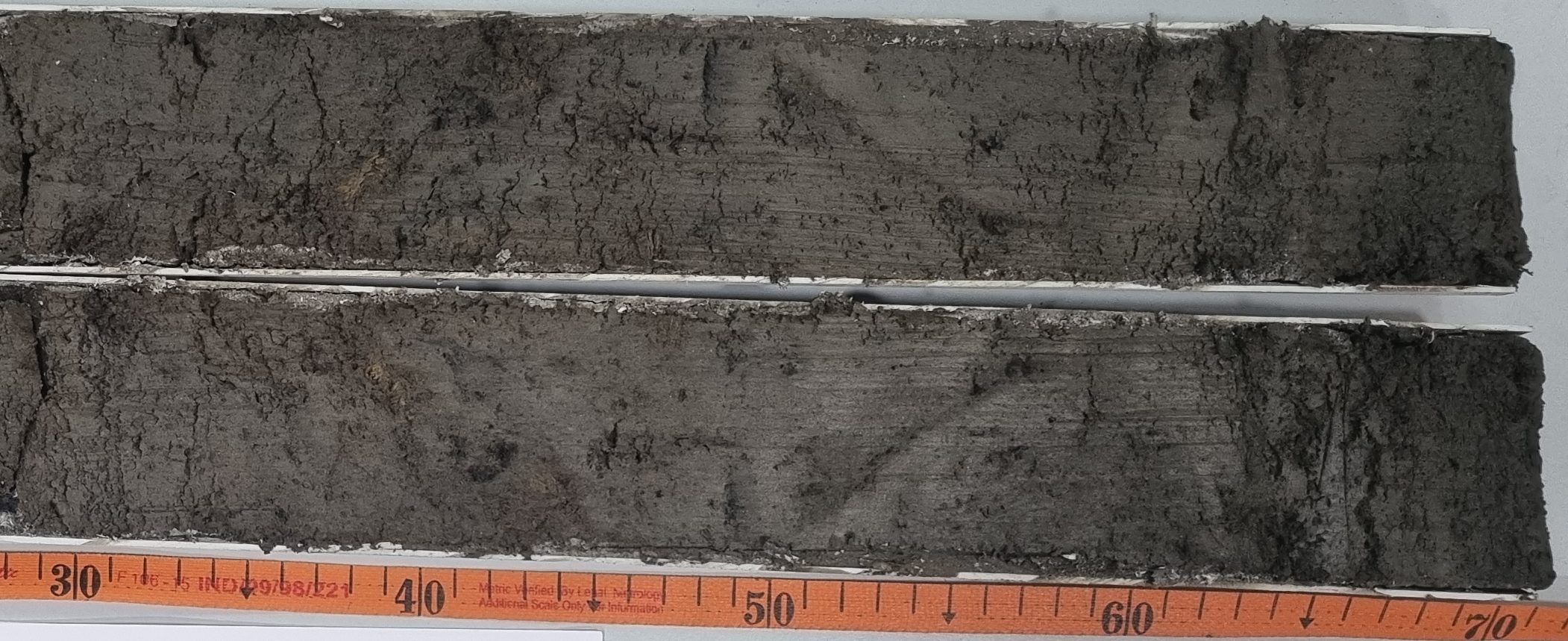
First core opening session
Pr. Hema Achyuthan joined project members at IIT Kanpur to open the first series of sediment cores taken in the Jammu and Kashmir region. These moments of exchange are crucial in defining together the sampling strategy and analyses that will be carried out over the following months by Dr. Aasif Lone and Mrs. Anchana P. in Pr. Debajyoti Paul’s isotope geochemistry laboratory at IITK, as well as at IMBE with Dr. Elodie Brisset.
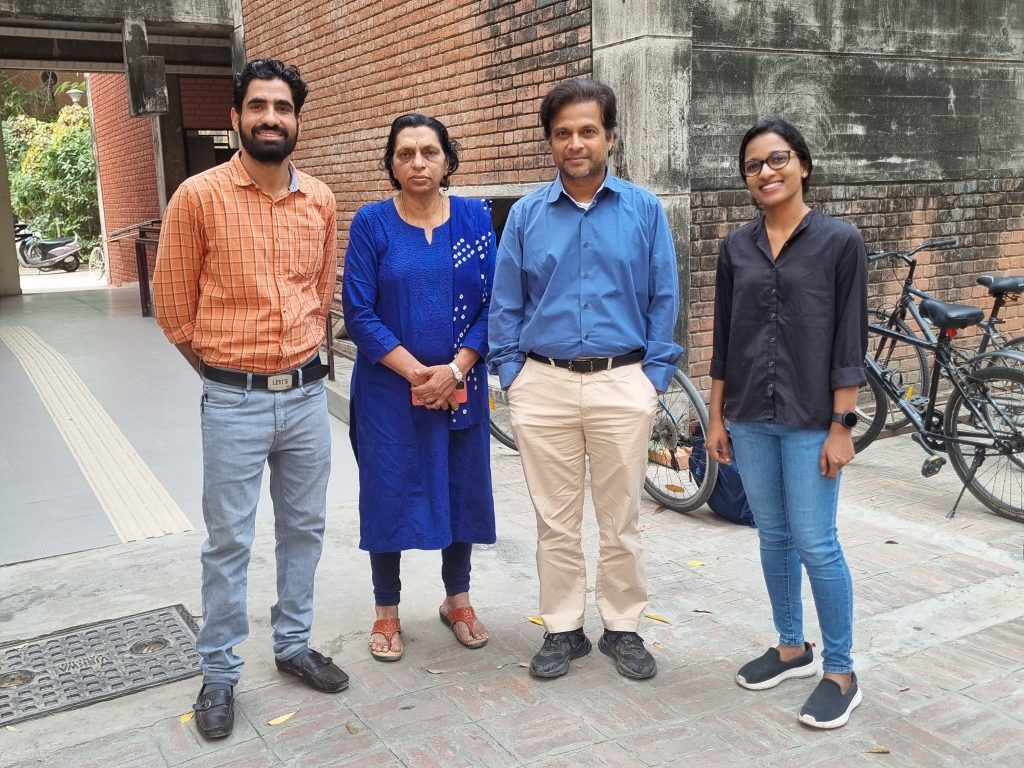

DEBATING SAMPLING STRATEGY IS A KEY MOMENT IN THE STUDY OF THE PALEO ARCHIVES!
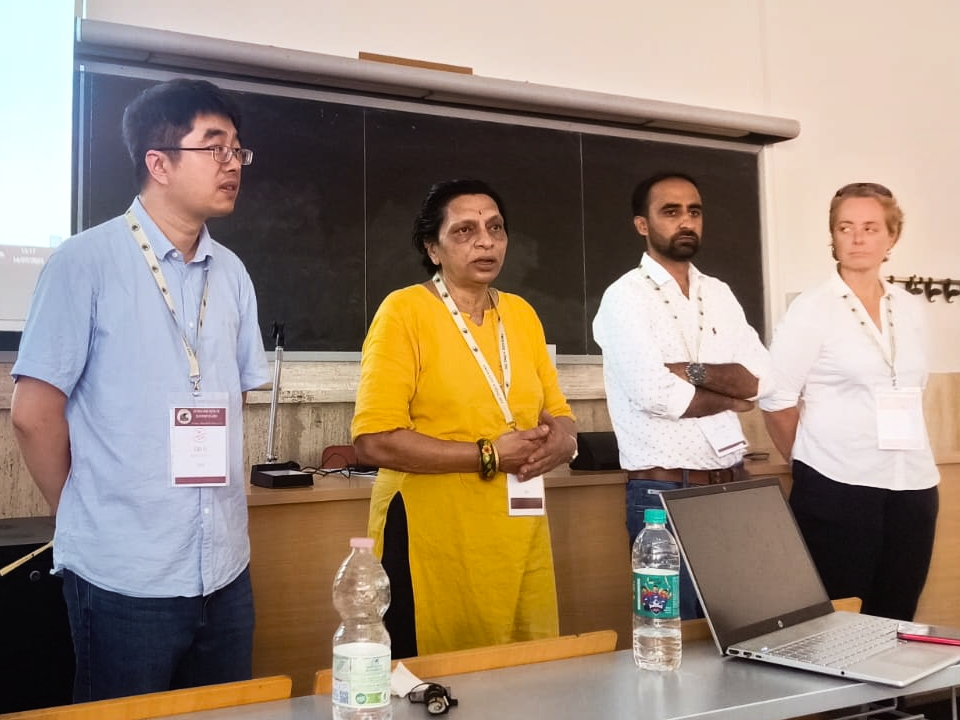
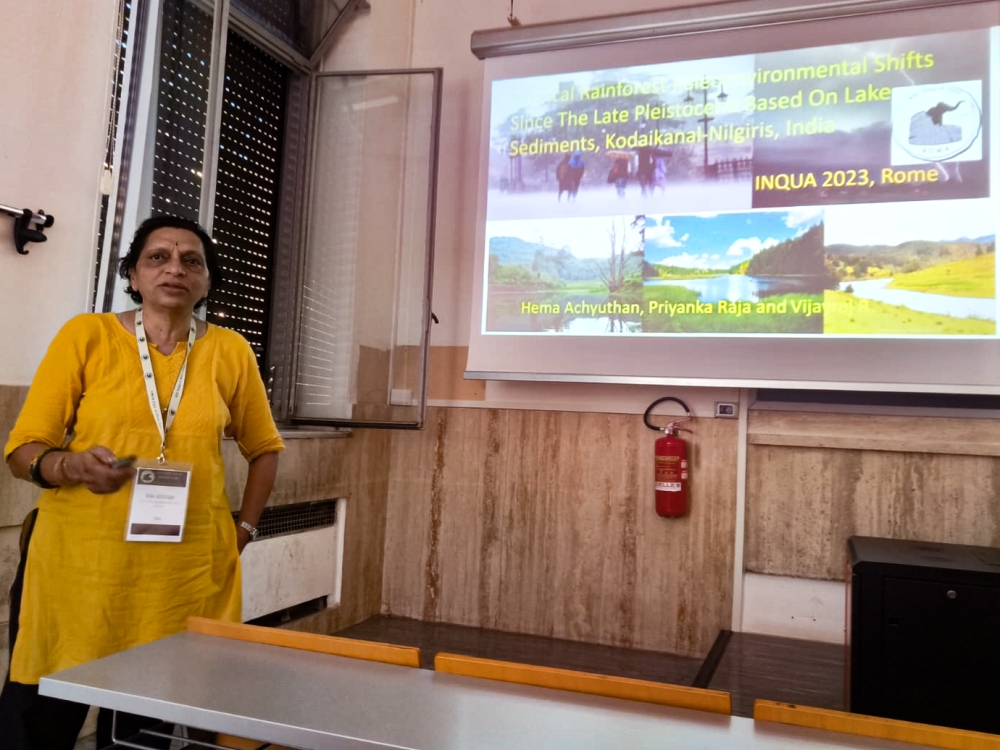
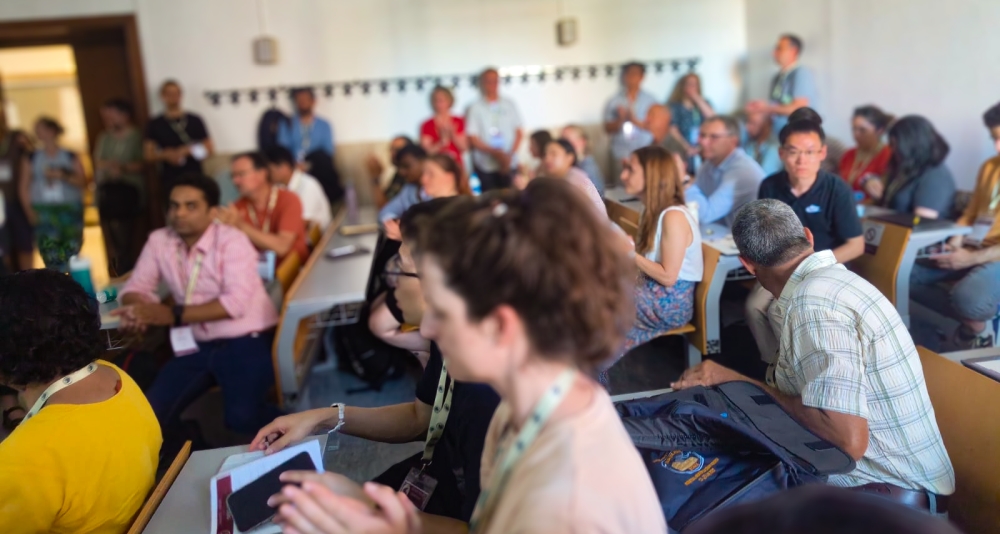
Joint symposium organisation during the XXI INQUA conference
Pr. Hema Achyuthan and Dr. Elodie Brisset, associated with co-chairs from India, France and China organized a symposium at the 21st international conference INQUA in Roma (Italy) investigating “Late Quaternary desertification, landscape changes, paleoclimate, and human adaptation”.
Sharing coring technics
Pr. Debajyoti Paul’s visit to the IMBE and CEREGE laboratories, funded by the French Embassy in India, was punctuated by a magnificent autumn day in the southern French Alps, and the sharing of technical skills in coring peat environments.


 IF Paleoscience